As metal siding takes center stage, this guide invites readers into the world of metal siding, offering valuable insights and practical advice on its definition, installation, maintenance, design options, and environmental impact.
Whether you're a homeowner looking to upgrade your exterior or a construction professional seeking new ideas, this guide covers everything you need to know about metal siding.
Definition of Metal Siding
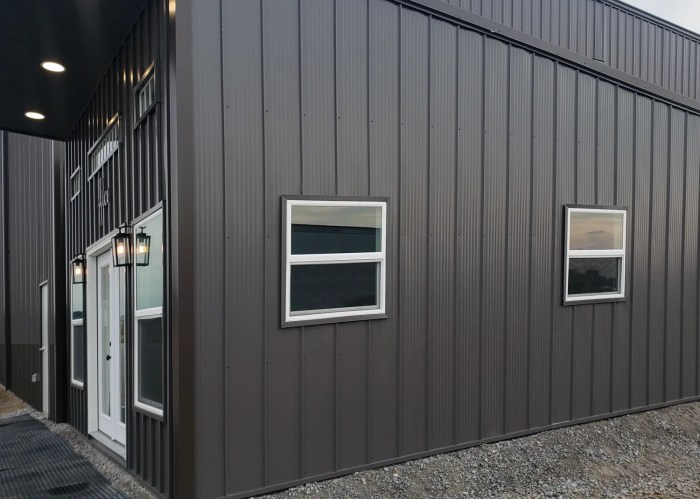
Metal siding is a type of exterior cladding material used to cover and protect the walls of a building. It is typically made from aluminum, steel, zinc, or copper sheets that are attached to the exterior surface of a structure.
Types of Metal Used in Metal Siding
- Aluminum: Lightweight, durable, and corrosion-resistant.
- Steel: Strong and available in a variety of finishes.
- Zinc: Resistant to corrosion and develops a protective patina over time.
- Copper: Aesthetic appeal with a unique patina that develops over time.
Advantages of Using Metal Siding
- Metal siding is durable and long-lasting, often outperforming other materials in terms of lifespan.
- It is low maintenance and resistant to rot, mold, and insect damage.
- Metal siding offers a high level of fire resistance, making it a safe choice for buildings.
- It is available in a wide range of colors and finishes, allowing for customization and design flexibility.
- Metal siding can be more energy-efficient by reflecting sunlight and reducing heat absorption into the building.
Installation of Metal Siding
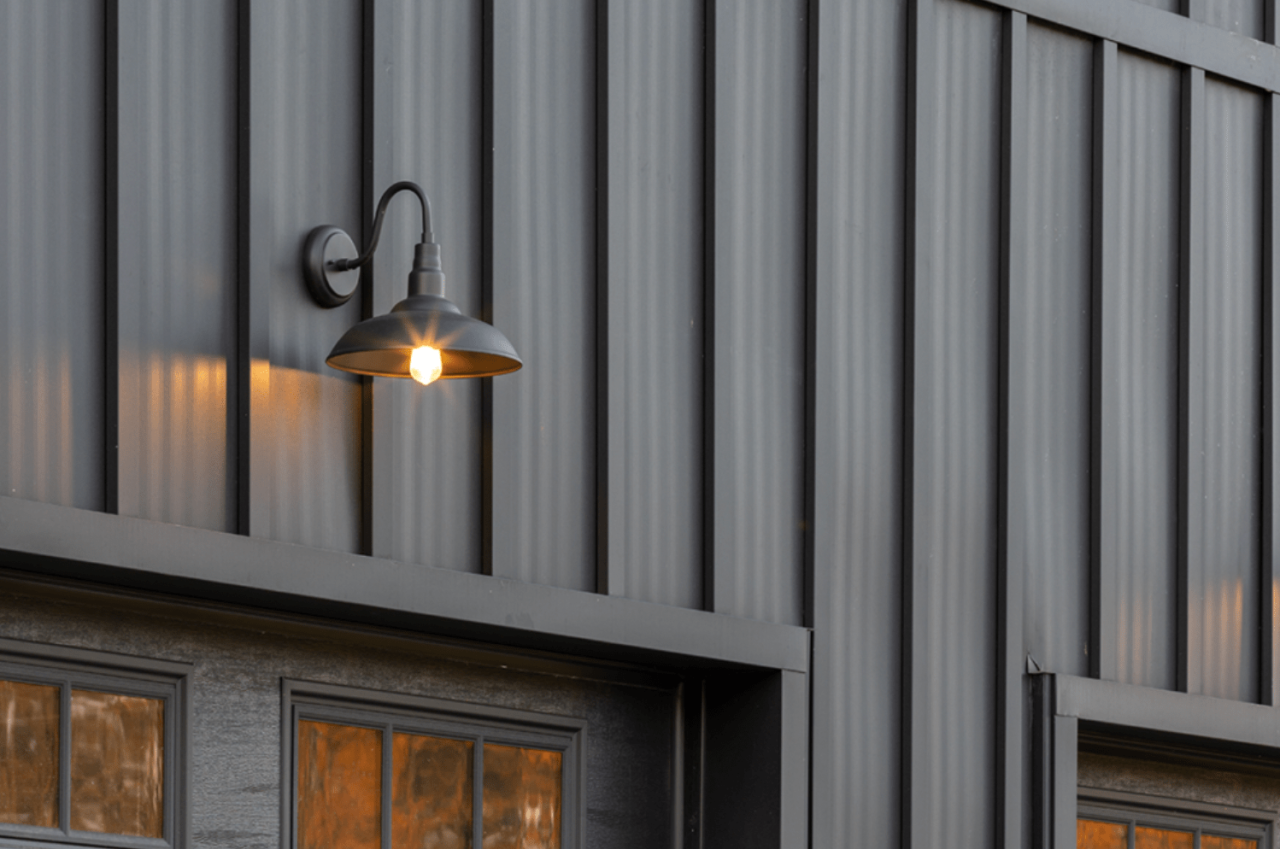
Metal siding is a popular choice for many homeowners due to its durability and low maintenance. The installation process can be straightforward if done correctly. Here is a step-by-step guide on how to install metal siding on a building:
Gather Materials and Tools
Before starting the installation, make sure you have all the necessary materials and tools. This includes metal siding panels, J-channels, corner posts, screws, a drill, a saw, a level, and safety equipment.
Prepare the Surface
Ensure that the surface where the metal siding will be installed is clean and smooth. Remove any existing siding and repair any damage to the underlying structure.
Install the J-Channels and Corner Posts
Begin by installing J-channels along the top and bottom edges of the walls to provide a secure edge for the siding panels. Next, install corner posts at the corners of the building to frame the edges.
Measure and Cut the Siding Panels
Measure the length of the wall and cut the metal siding panels to fit. Use a saw to make precise cuts and ensure a proper fit.
Attach the Siding Panels
Starting from one corner, begin attaching the siding panels to the wall using screws. Make sure each panel is level and securely fastened to the J-channels and corner posts.
Finish the Installation
Continue installing the siding panels across the wall, overlapping each panel slightly to ensure a watertight seal. Trim any excess material as needed and make sure all panels are securely in place.Metal siding installation is relatively straightforward compared to other siding materials like wood or vinyl.
Metal siding requires fewer tools and techniques, making it a popular choice for DIY enthusiasts. However, special care should be taken when cutting and handling metal panels to avoid injury. Overall, with the right materials and proper installation techniques, metal siding can provide a long-lasting and attractive finish to any building.
Maintenance of Metal Siding
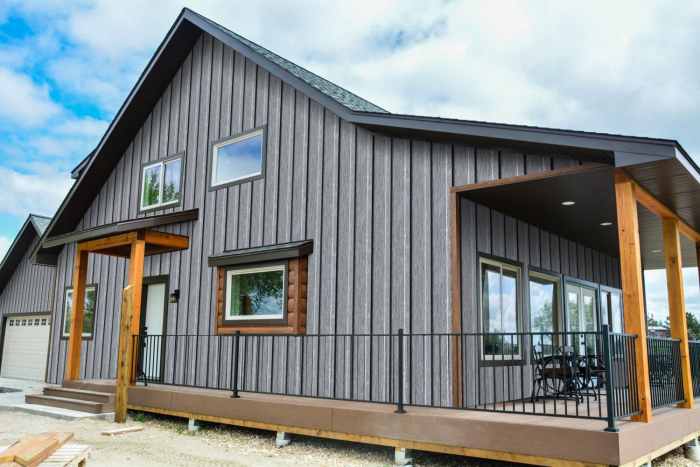
Proper maintenance of metal siding is crucial to ensure its longevity and aesthetic appeal. By following some key tasks and care routines, you can keep your metal siding in top condition for years to come.
Regular Cleaning and Care
Regularly cleaning your metal siding is essential to prevent dirt, grime, and debris from building up and causing damage. Here's how to clean and care for your metal siding:
- Use a mixture of mild soap and water to gently scrub the surface of the siding.
- Rinse thoroughly with clean water to remove any soap residue.
- Avoid using abrasive materials or harsh chemicals that could scratch or corrode the metal.
- Inspect the siding for any signs of mold or mildew, and address promptly to prevent further growth.
- Consider applying a protective coating or sealant to enhance the durability of the metal.
Inspection and Repairs
Regularly inspecting your metal siding for damage is key to identifying issues early and preventing costly repairs. Here's how to inspect your metal siding and when to consider repairs or replacements:
- Look for signs of rust, dents, or scratches on the surface of the siding.
- Check for loose or missing panels that may need to be reattached or replaced.
- Inspect the caulking and seals around windows, doors, and corners for any gaps or cracks.
- Consider hiring a professional to conduct a thorough inspection annually to catch any potential issues.
- If significant damage is found, such as extensive rust or corrosion, it may be time to consider replacing the affected panels.
Design Options with Metal Siding
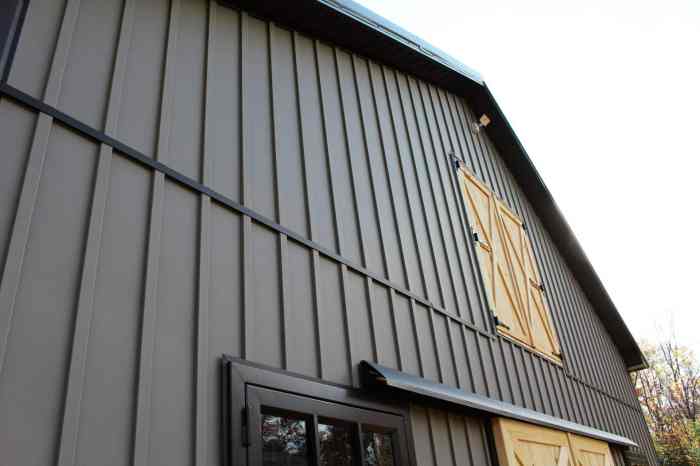
Metal siding offers a wide range of design options, from traditional to modern styles, and various finishes that can enhance the overall look of a building. Here, we will explore different design styles and finishes available with metal siding, provide tips on incorporating metal siding into various architectural designs, and discuss how to choose the right color and texture of metal siding for different aesthetics.
Types of Design Styles and Finishes
Metal siding comes in various design styles and finishes to suit different architectural preferences. Some popular options include:
- Vertical or horizontal panels
- Ribbed or smooth textures
- Embossed patterns
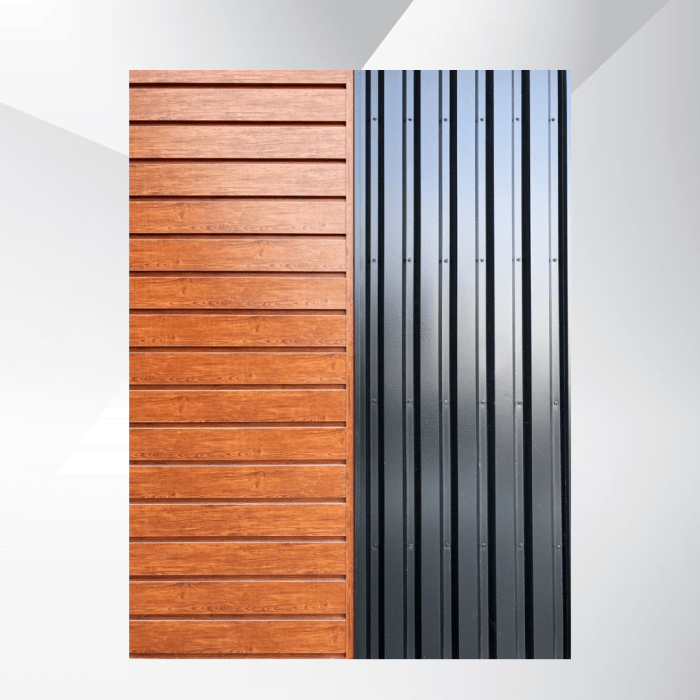
- Wood grain or metallic finishes
Incorporating Metal Siding into Architectural Designs
When incorporating metal siding into architectural designs, consider the following tips:
- Choose a style that complements the overall design of the building
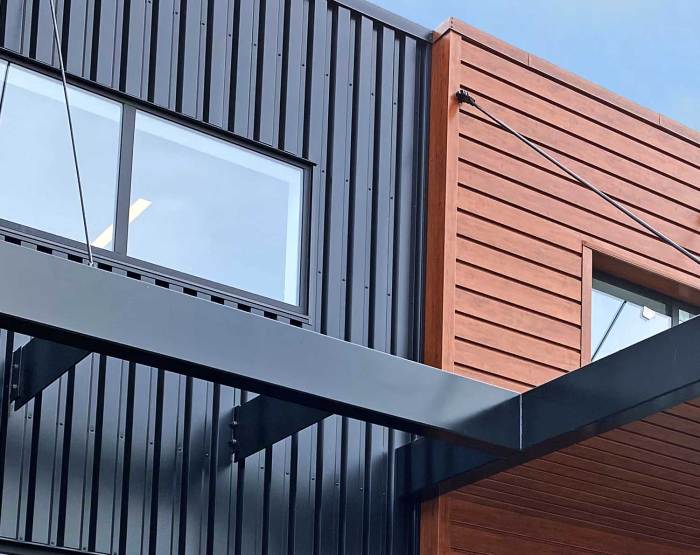
- Mix and match different finishes for a unique look
- Use metal siding as an accent to highlight certain architectural features
- Consider the orientation of the panels to create visual interest
Choosing the Right Color and Texture
To choose the right color and texture of metal siding for different aesthetics, keep the following in mind:
- Consider the existing color palette of the building
- Opt for neutral colors for a timeless look or bold colors for a statement finish
- Experiment with matte, glossy, or metallic textures to achieve the desired effect
- Take into account the surrounding environment and climate for color longevity
Environmental Impact of Metal Siding
Metal siding is known for its sustainability in construction, making it a popular choice for environmentally conscious builders and homeowners. Let's delve into the eco-friendliness and recyclability of metal siding compared to other siding materials.
Sustainability of Metal Siding
Metal siding is highly sustainable due to its durability and longevity. It requires minimal maintenance and has a long lifespan, reducing the need for frequent replacements. This longevity helps minimize the environmental impact of manufacturing and disposing of siding materials.
Comparing Eco-friendliness
When compared to other siding materials like vinyl or wood, metal siding stands out for its eco-friendliness. Metal is fully recyclable, making it a sustainable choice for those looking to reduce their carbon footprint. Additionally, metal siding is energy-efficient, reflecting heat in the summer and insulating in the winter, contributing to lower energy consumption in buildings.
Recyclability and Energy Efficiency
Metal siding products are often made from recycled materials, further reducing their environmental impact. At the end of their lifespan, metal siding can be recycled again, making it a closed-loop material that minimizes waste. Moreover, the energy efficiency of metal siding helps reduce heating and cooling costs, making buildings more environmentally friendly and cost-effective in the long run.
Closing Notes
In conclusion, metal siding emerges as a versatile and sustainable option for both residential and commercial buildings. With its durability, design flexibility, and eco-friendly nature, metal siding proves to be a top choice for modern construction projects. Explore the endless possibilities of metal siding and elevate the aesthetics of any structure with this innovative building material.
General Inquiries
Can metal siding be painted?
Yes, metal siding can be painted to achieve the desired color or to refresh its appearance. Make sure to use paint specifically designed for metal surfaces for best results.
Is metal siding prone to rust?
While metal siding is generally resistant to rust, over time, exposure to harsh elements can cause some types of metal siding to develop rust. Regular maintenance and proper care can help prevent rust formation.
How long does metal siding typically last?
Metal siding is known for its longevity and can last for several decades with proper maintenance. The lifespan may vary depending on the type of metal used and the environmental conditions it is exposed to.