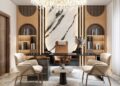
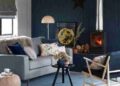
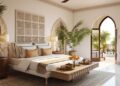
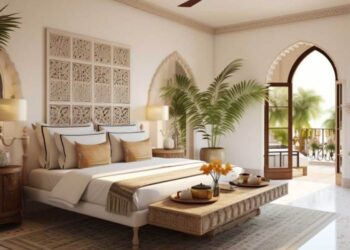
As room interior takes center stage, this opening passage beckons readers into a world crafted with good knowledge, ensuring a reading experience that is absorbing and distinctly original. From the elements of design to furniture selection, lighting, ambiance, and decor, this guide covers it all.
Whether you're looking to revamp your living space or simply seeking inspiration, this guide will provide you with valuable insights to create a room that reflects your style and personality.
Room Interior Design
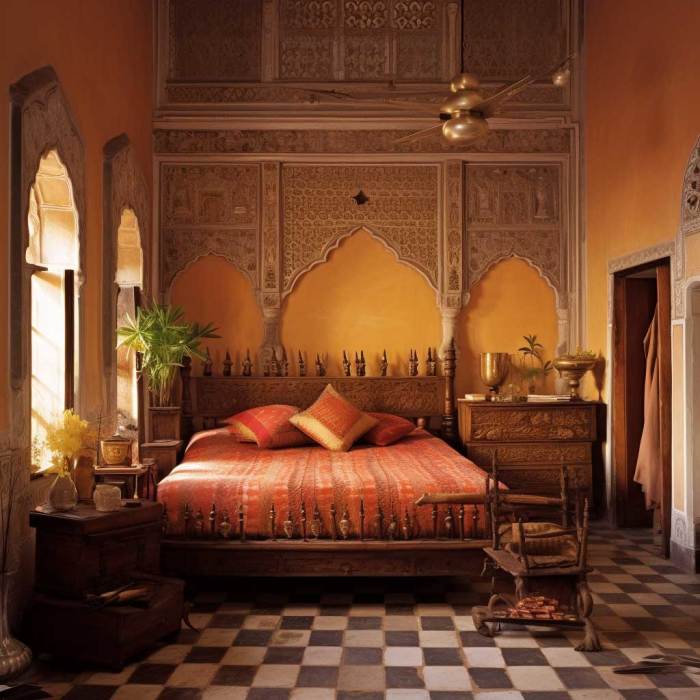
When it comes to designing a room interior, there are several key elements that contribute to a well-designed space. From furniture layout to color schemes, every detail plays a crucial role in creating a cohesive and aesthetically pleasing environment.Color schemes are one of the most impactful elements of room interior design.
Different colors can evoke various emotions and set the tone for the room. For example, warm tones like reds and oranges can create a cozy and inviting atmosphere, while cool tones like blues and greens can induce a sense of calm and relaxation.
It's essential to choose a color scheme that not only reflects your personal style but also complements the function of the room.To create a cohesive design for a room interior, consider the following tips:
Consider the Function of the Room
- Before starting the design process, think about how the room will be used. This will help you determine the layout and furniture placement.
- For example, a living room should be designed for socializing and relaxation, while a home office should prioritize functionality and productivity.
Choose a Focal Point
- Every room should have a focal point that draws the eye and anchors the design. This could be a piece of furniture, a piece of art, or a striking architectural feature.
- Once you have identified the focal point, design the rest of the room around it to create a cohesive look.
Balance Elements
- Balance is key to a well-designed room interior. Make sure there is a mix of textures, colors, and shapes to create visual interest.
- Avoid overcrowding the space with too many decorations or furniture pieces. Keep it simple and let each element shine.
Furniture Selection
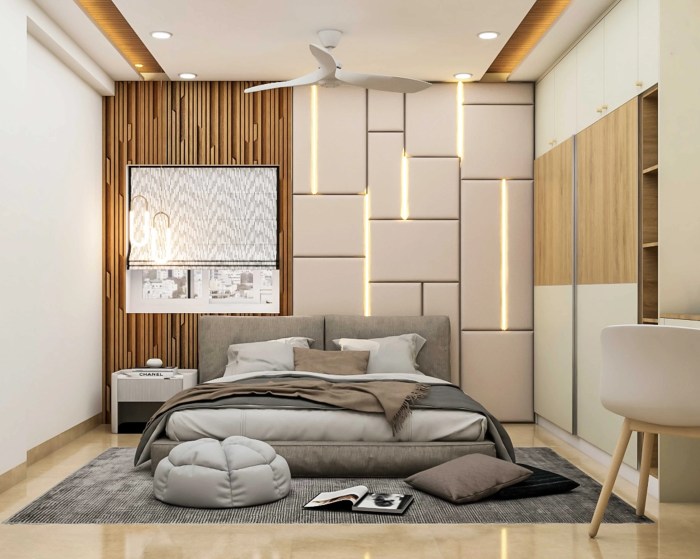
Choosing the right furniture is crucial for creating a cohesive and functional room interior. The furniture pieces not only need to complement each other but also need to suit the overall style and purpose of the room. In this section, we will discuss the importance of furniture selection, examples of space-maximizing furniture arrangements, and tips on mixing and matching different furniture styles.
Maximizing Space with Furniture Arrangements
When dealing with a small space, it's essential to choose furniture that serves multiple purposes. For example, a sofa bed can function as both seating during the day and a bed for guests at night. Opting for furniture with built-in storage, such as ottomans or coffee tables with hidden compartments, can help reduce clutter and maximize space.
Additionally, selecting furniture with exposed legs can create a sense of openness and airiness in a room.
Mixing and Matching Furniture Styles
To achieve an eclectic look in a room, try mixing different furniture styles while maintaining a cohesive color palette or theme. For instance, pairing a modern glass coffee table with a vintage leather armchair can create an interesting contrast. Mixing textures like velvet, wood, and metal can also add depth and visual interest to the space.
Remember to vary the scale and proportions of the furniture pieces to create a balanced composition.
Lighting and Ambiance
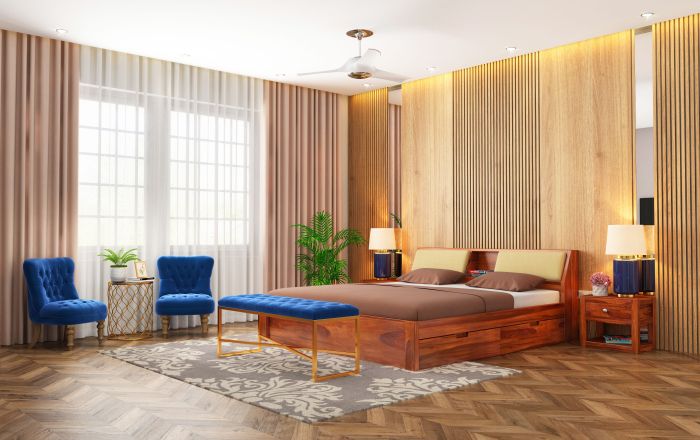
When it comes to interior design, lighting plays a crucial role in enhancing the overall ambiance of a room. Proper lighting can create different moods, highlight key features, and even make a space feel more inviting and comfortable.
The Significance of Lighting
Lighting can significantly impact the atmosphere of a room, affecting everything from the color scheme to the perceived size of the space. It can also influence the functionality of a room, providing adequate illumination for various tasks.
Incorporating Natural Light
- Maximize natural light by using sheer curtains or blinds that allow sunlight to filter through.
- Place mirrors strategically to reflect natural light and brighten up the room.
- Consider installing skylights or larger windows to bring in more natural light.
Creating Various Moods with Different Lighting Fixtures
- Soft, warm lighting from table lamps or wall sconces can create a cozy and intimate atmosphere.
- Spotlights or track lighting can be used to highlight artwork or architectural features in the room.
- Dimmable ceiling lights or chandeliers allow for adjustable lighting levels to suit different occasions.
Decor and Accessories
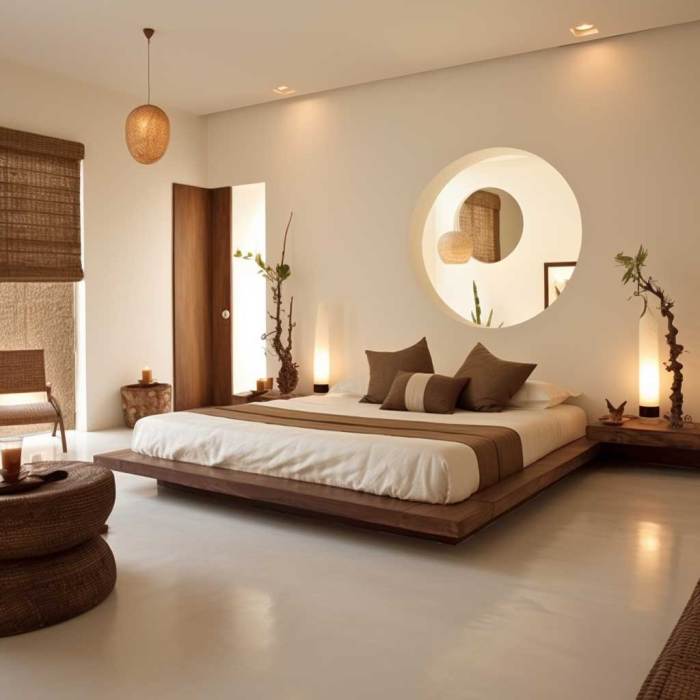
Decor and accessories play a crucial role in adding personality and character to a room's interior design. They have the power to elevate the overall aesthetic appeal and create a cohesive look that reflects the homeowner's style and taste.When it comes to using artwork to enhance a room's interior, consider the following examples:
Using Artwork to Enhance a Room
- Choose pieces that complement the color scheme and style of the room.
- Experiment with different sizes and shapes to create visual interest.
- Consider creating a gallery wall with a mix of paintings, photographs, and other artwork.
- Use artwork as a focal point to draw attention and add a pop of color.
Selecting the right accessories to complement the overall design involves the following tips:
Selecting the Right Accessories
- Avoid clutter by choosing a few statement pieces rather than overcrowding the space with too many accessories.
- Consider the room's function and choose accessories that serve a purpose, such as decorative storage bins or stylish organizers.
- Mix textures and materials to add depth and visual interest to the room.
- Don't forget about lighting accessories like lamps, sconces, and candles to create ambiance and mood.
Last Point
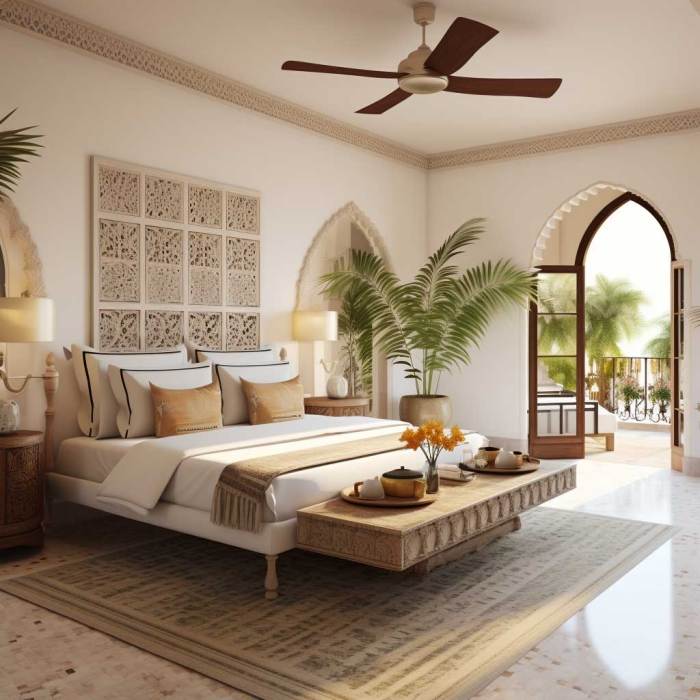
In conclusion, the key to a well-designed room interior lies in the harmonious blend of elements that make it unique and inviting. By incorporating the right furniture, lighting, decor, and accessories, you can transform any space into a haven of comfort and style.
Let your creativity shine through as you embark on the journey of designing your dream room interior.
FAQ Resource
How important are color schemes in room interior design?
Color schemes play a crucial role in setting the mood and tone of a room. They can impact the overall feel and aesthetics, so it's essential to choose them wisely.
What is the significance of lighting in a room's interior?
Lighting is key in enhancing the ambiance of a room. It can create different moods, highlight design elements, and even make the space appear larger.
How can I mix and match different furniture styles effectively?
To achieve an eclectic look, focus on balancing contrasting styles. Choose a common color palette and pay attention to scale and proportion when mixing furniture pieces.