Embark on a journey through the world of DIY maintenance, where homeowners take control of their living spaces and tackle tasks with their own hands. From simple fixes to complex projects, discover the empowerment and satisfaction that comes with maintaining your home through DIY methods.
In the following paragraphs, we will delve into the tools, projects, tips, and tricks that will equip you to become a DIY maintenance expert, saving time and money along the way.
Importance of DIY Maintenance
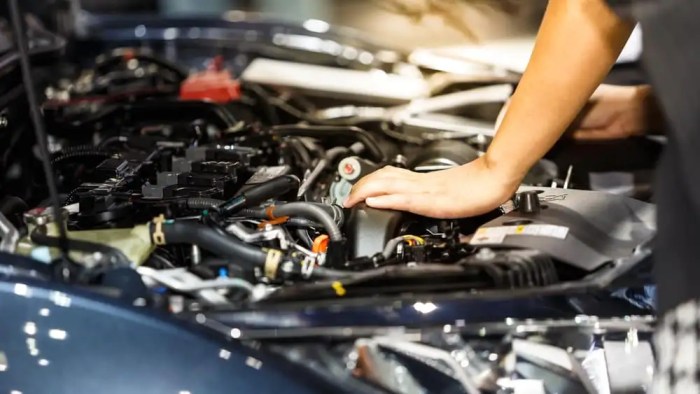
DIY maintenance is crucial for homeowners to ensure the upkeep and longevity of their property. By taking care of maintenance tasks themselves, homeowners can save money, prevent costly repairs, and maintain the overall value of their homes.
Common DIY Maintenance Tasks
- Changing air filters in HVAC systems
- Cleaning gutters to prevent water damage
- Sealing cracks and gaps to improve energy efficiency
- Regularly inspecting and maintaining plumbing fixtures
Benefits of Saving Money
- By performing DIY maintenance tasks, homeowners can save on service fees and labor costs.
- Investing time in DIY maintenance can lead to significant savings in the long run.
- Learning new skills and gaining confidence in handling household repairs.
Preventing Costly Repairs
- Regular DIY maintenance can help identify issues early on before they escalate into major problems.
- Addressing minor maintenance tasks promptly can prevent more extensive and expensive repairs in the future.
- Proactive maintenance can extend the lifespan of home systems and appliances.
DIY Maintenance Tools
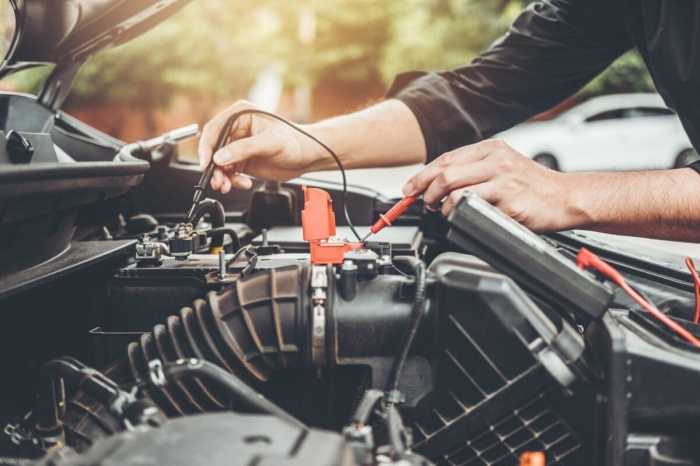
When it comes to DIY maintenance, having the right tools is essential for getting the job done effectively and efficiently. Whether you're a seasoned DIY enthusiast or just starting out, having the proper tools can make all the difference in the outcome of your maintenance projects.
Essential Tools for DIY Maintenance
- Screwdriver set (Phillips and flathead)
- Adjustable wrench
- Pliers (needle-nose and regular)
- Tape measure
- Hammer
- Utility knife
- Level
- Drill and drill bits
Comparison of Different Brands of Tools
- Consider factors like durability, warranty, and price when comparing different brands of tools for DIY maintenance.
- Popular brands like Dewalt, Milwaukee, and Stanley are known for their quality and reliability.
- Read reviews and do your research before investing in a set of tools to ensure you're getting the best value for your money.
Importance of Safety Gear
- Always wear safety gear such as goggles, gloves, and a mask when doing maintenance work to protect yourself from potential hazards.
- Investing in safety gear is crucial for preventing accidents and injuries while working with tools and equipment.
- Remember to follow safety guidelines and instructions provided with your tools to ensure a safe working environment.
Proper Maintenance of DIY Tools
- Clean and store your tools properly after each use to prevent rust and damage.
- Regularly inspect your tools for wear and tear, and replace any damaged or worn-out parts immediately.
- Keep your tools organized and in good condition to ensure their longevity and optimal performance.
DIY Home Maintenance Projects
When it comes to maintaining your home, there are various projects that you can tackle yourself to ensure everything is in good working condition. From changing air filters to addressing seasonal tasks, DIY home maintenance projects can help you save money and keep your home in top shape.
Identifying Areas Requiring Maintenance
Regular maintenance is essential for different areas of your home to prevent costly repairs in the future. Here are some common areas that require regular maintenance:
- Heating and cooling systems
- Plumbing fixtures
- Roof and gutters
- Appliances
- Paint and siding
DIY Maintenance Projects
One of the essential DIY maintenance projects is changing air filters in your HVAC system. Here's a step-by-step guide to help you through the process:
- Turn off the HVAC system.
- Locate the air filter slot.
- Remove the old filter.
- Insert the new filter, making sure it's facing the correct direction.
- Close the slot and turn the HVAC system back on.
Seasonal Maintenance Tasks
Seasonal maintenance tasks are crucial for keeping your home in top condition throughout the year. Here are some tasks that homeowners can do themselves:
| Spring | Summer | Fall | Winter |
|---|---|---|---|
| Clean gutters and downspouts | Inspect and clean outdoor HVAC unit | Check weather stripping | Protect pipes from freezing |
| Inspect roof for damage | Trim trees and bushes | Check fireplace and chimney | Check insulation |
Prioritizing DIY Maintenance Projects
It's important to prioritize DIY maintenance projects based on urgency and importance to ensure the safety and functionality of your home. Consider factors such as safety hazards, potential damage, and cost implications when deciding which projects to tackle first.
DIY Maintenance Tips and Tricks
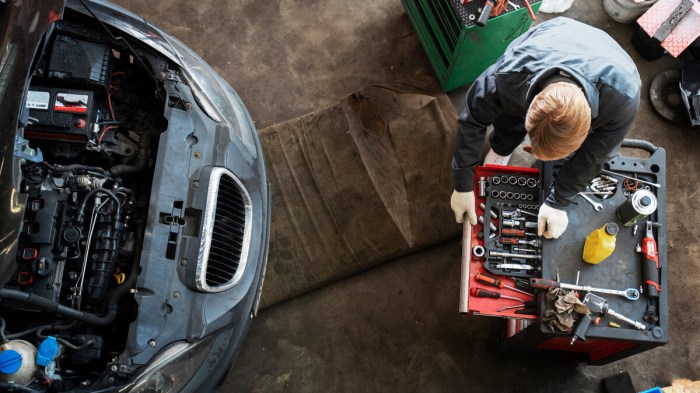
When it comes to DIY maintenance, having some tips and tricks up your sleeve can make the process smoother and more efficient. Whether you're a seasoned DIYer or just starting out, these insights can help you tackle home maintenance projects with confidence.
Design a Checklist for DIY Maintenance
Creating a checklist for your DIY maintenance tasks can help you stay organized and on track. Here are some key points to include in your maintenance checklist:
- Identify all the areas in your home that require regular maintenance.
- List down the specific tasks that need to be done for each area.
- Schedule maintenance tasks based on priority and frequency.
- Keep track of any tools or materials needed for each task.
- Check off tasks as you complete them to stay on top of your home maintenance.
Troubleshooting Guide for Common DIY Maintenance Issues
Encountering issues during DIY maintenance is common, but having a troubleshooting guide can help you navigate through them smoothly. Here are some tips for troubleshooting common problems:
- Refer to the manufacturer's manual for guidance on specific issues.
- Use online resources and forums to seek advice from experienced DIYers.
- Break down the problem into smaller components to identify the root cause.
- Consult with professionals for complex issues that you're unable to resolve on your own.
Proper Documentation of DIY Maintenance Activities
Documenting your DIY maintenance activities is crucial for future reference and tracking. Here's how you can properly document your maintenance tasks:
- Take before and after photos to visually track the progress of your projects.
- Keep a maintenance log detailing the tasks completed, dates, and any observations or issues encountered.
- Save receipts and warranties for any tools or materials purchased for maintenance purposes.
- Create a digital or physical folder to store all relevant documents and information for easy access.
Closing Notes

As we wrap up our exploration of DIY maintenance, remember that taking proactive steps to care for your home can lead to a more comfortable living environment and significant cost savings in the long run. By incorporating DIY maintenance into your routine, you're not just fixing issues – you're investing in the longevity and well-being of your home.
User Queries
What are the benefits of DIY maintenance?
DIY maintenance allows homeowners to save money, take control of their living spaces, and prevent costly repairs in the future.
How should DIY tools be maintained for longevity?
Properly clean and store tools after each use, lubricate moving parts, and periodically check for wear and tear to ensure durability.
What are some common seasonal maintenance tasks homeowners can do themselves?
Tasks like cleaning gutters in the fall, inspecting air conditioning units in the spring, and sealing windows in the winter are all DIY-friendly projects.