Home improvement sets the stage for this enthralling narrative, offering readers a glimpse into a story that is rich in detail with casual formal language style and brimming with originality from the outset.
Whether you're looking to revamp your interiors, boost your property value, or simply stay on top of the latest trends, home improvement projects are a fantastic way to elevate your living space. From budgeting tips to DIY vs. hiring professionals, this guide covers it all.
Types of Home Improvement Projects
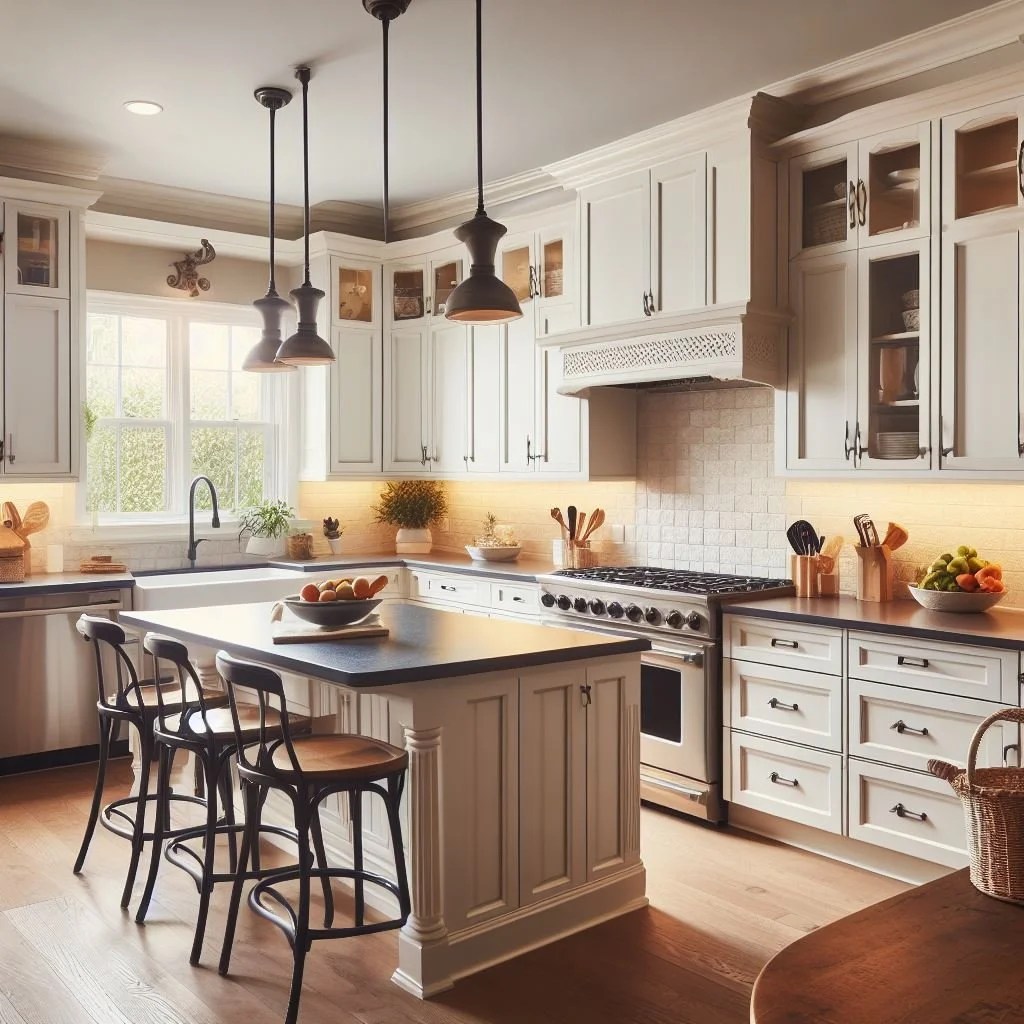
When it comes to home improvement projects, there are various options to consider based on the specific needs of your home. Interior and exterior projects can range from minor repairs to major renovations, each with its own set of benefits and challenges.
Common Interior Home Improvement Projects
- Painting: A fresh coat of paint can completely transform the look and feel of a room, making it a popular choice for interior updates.
- Kitchen Remodeling: Updating cabinets, countertops, and appliances can enhance both the functionality and aesthetic appeal of your kitchen.
- Bathroom Renovation: Installing new fixtures, tiles, and vanities can modernize your bathroom and increase its overall value.
- Flooring Upgrades: Replacing old carpet or outdated flooring with hardwood, tile, or laminate can enhance the appearance of any room.
Common Exterior Home Improvement Projects
- Roof Replacement: Ensuring your roof is in good condition is essential for protecting your home from the elements and maintaining its structural integrity.
- Siding Installation: Updating your home's siding can improve its curb appeal and provide better insulation and protection from weather damage.
- Deck Addition: Building a deck or patio can create additional outdoor living space for entertaining and relaxation.
- Landscaping: Enhancing your landscaping with new plants, trees, and hardscaping features can boost your home's curb appeal and overall value.
Differences Between Major and Minor Home Improvement Projects
Major home improvement projects typically involve extensive renovations or structural changes that require professional expertise and significant investment of time and money. These projects can include kitchen remodels, room additions, or whole-house renovations. On the other hand, minor home improvement projects are smaller in scale and can often be completed by homeowners themselves with minimal cost and effort.
Examples of minor projects include painting, replacing fixtures, or updating hardware.
Benefits of Home Improvement
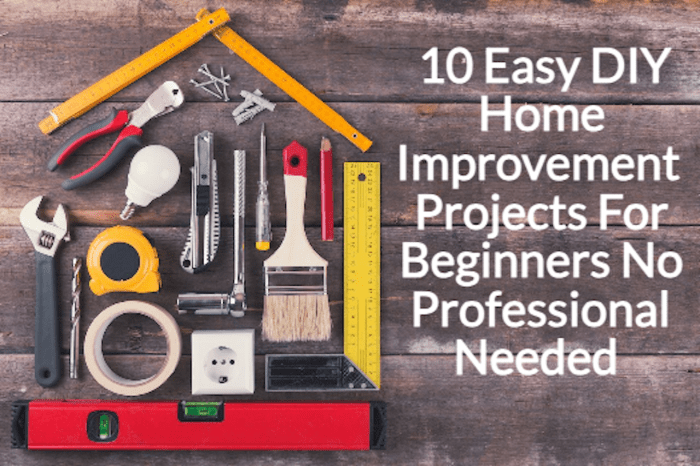
Home improvement projects offer a wide range of benefits that go beyond just enhancing the appearance of your property. These projects can significantly increase the value of your home, improve its aesthetics, and even bring about energy efficiency benefits.
Increased Property Value
One of the most significant benefits of home improvement projects is their ability to increase the value of your property. By upgrading your kitchen, bathroom, or outdoor space, you can attract potential buyers and command a higher selling price. Renovations that improve functionality and modernize the home are particularly attractive to buyers, making it a worthwhile investment.
Enhanced Aesthetics
Home improvement projects can also greatly enhance the aesthetics of your home. Whether it's updating the paint colors, installing new flooring, or adding landscaping features, these changes can transform the look and feel of your space. A visually appealing home not only creates a welcoming environment for residents but also leaves a lasting impression on visitors.
Energy Efficiency Benefits
Certain home improvement projects, such as installing energy-efficient windows, upgrading insulation, or investing in solar panels, can lead to significant energy savings. These improvements not only reduce your utility bills but also contribute to a more sustainable and eco-friendly lifestyle.
By making your home more energy-efficient, you can enjoy a more comfortable living environment while reducing your carbon footprint.
Budgeting for Home Improvement

When planning a home improvement project, creating a budget is essential to ensure that you stay within your financial limits and avoid overspending. Here are some tips on how to effectively budget for your home improvement project and prioritize tasks based on your budget constraints.
Tips for Creating a Budget
- Start by outlining all the improvements you want to make in your home, including both major renovations and smaller upgrades.
- Research the cost of materials, labor, and any additional expenses that may arise during the project.
- Set a realistic budget that takes into account unexpected costs and overruns, typically adding an extra 10-20% to your initial estimate.
- Consider financing options if your budget is limited, such as home improvement loans or lines of credit.
- Track your expenses throughout the project to ensure you are staying on budget and make adjustments as needed.
Cost-Effective Home Improvement Ideas
- Painting walls and cabinets can instantly refresh the look of a room at a low cost.
- Upgrading lighting fixtures or cabinet hardware can give your home a modern touch without breaking the bank.
- DIY projects like installing shelving, laying new flooring, or updating bathroom fixtures can save on labor costs.
- Repurposing furniture or accessories you already own can add a personal touch to your home without spending extra money.
Prioritizing Home Improvement Projects
- Start by addressing any safety or structural issues that need immediate attention to prevent further damage.
- Focus on projects that will add value to your home, such as kitchen and bathroom renovations, which typically have a high return on investment.
- Consider the long-term benefits of each project and prioritize those that will have the most impact on your daily life or resale value.
- If you have a limited budget, consider tackling smaller projects first and saving larger renovations for later when you have more financial flexibility.
DIY vs. Hiring Professionals

When it comes to home improvement projects, deciding whether to tackle them yourself or hire professionals can be a tough choice. Each option has its own set of advantages and disadvantages, depending on the complexity of the project, your skills, and your budget.
Advantages and Disadvantages of DIY Home Improvement Projects
DIY projects can be a cost-effective way to improve your home, as you can save on labor costs by doing the work yourself. It also gives you a sense of accomplishment and allows you to customize the project to your liking.
However, DIY projects can be time-consuming and may require specialized skills and tools that you may not have. This can lead to mistakes, which could end up costing you more to fix in the long run.
When to Hire Professionals for Home Improvement Projects
It's best to hire professionals for projects that require expertise beyond your skill level, such as electrical or plumbing work. Additionally, if a project involves structural changes or requires permits, it's important to hire professionals who can ensure the work is done safely and up to code.
Hiring professionals can also save you time and stress, as they have the experience and tools to get the job done efficiently.
Tips on Finding Reputable Contractors for Home Improvement Work
- Ask for recommendations from friends, family, or neighbors who have had similar work done.
- Research online reviews and ratings of contractors in your area.
- Check for proper licensing and insurance to protect yourself in case of accidents or damages.
- Get multiple quotes and compare them to ensure you're getting a fair price.
- Ask for references and examples of past work to gauge the quality of the contractor's work.
Trends in Home Improvement
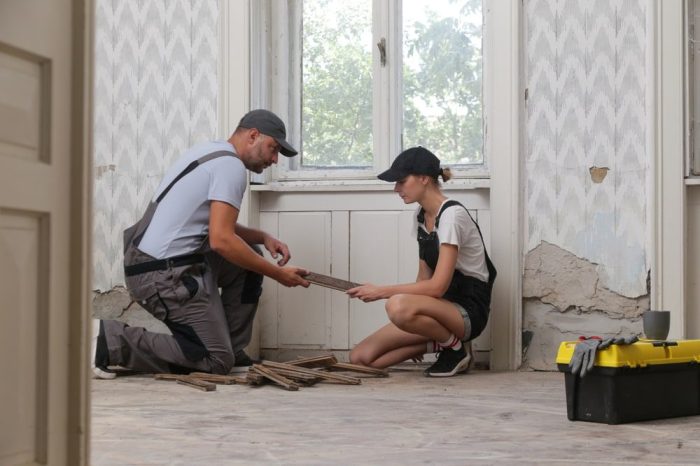
In recent years, home improvement trends have evolved to reflect a greater emphasis on sustainability, modern design elements, and the integration of advanced technology. These trends not only enhance the aesthetic appeal of homes but also contribute to their functionality and efficiency.
Sustainable Materials
One of the prominent trends in home improvement is the use of sustainable materials. Homeowners are increasingly opting for eco-friendly options such as bamboo flooring, reclaimed wood, recycled glass countertops, and energy-efficient appliances. These choices not only reduce the environmental impact of home renovations but also promote a healthier living environment.
Modern Color Schemes and Design Trends
Popular color schemes in home improvement currently include neutral tones, such as greys, whites, and beiges, which create a modern and timeless look. Design trends like open-concept layouts, minimalist decor, and smart home technology integration are also gaining popularity among homeowners looking to update their living spaces.
Influence of Technological Advancements
Technological advancements have revolutionized home improvement projects, offering innovative solutions for energy efficiency, security, and convenience. Smart home devices, such as programmable thermostats, automated lighting systems, and surveillance cameras, are becoming integral parts of modern homes, making daily living more comfortable and efficient.
Conclusion
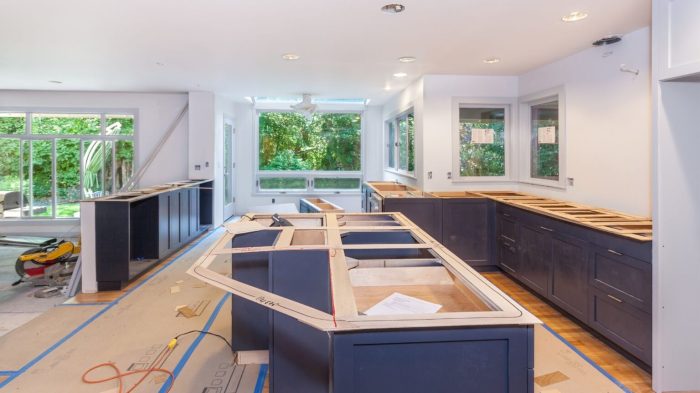
As we wrap up this exploration of home improvement, it's clear that transforming your living space is not just about aesthetics but also about functionality and value. By staying informed on the latest trends and making smart choices, you can truly make your house feel like a home.
Common Queries
What are some common interior home improvement projects?
Common interior home improvement projects include kitchen renovations, bathroom upgrades, and flooring replacements. These projects can significantly enhance the functionality and aesthetics of your living space.
How can home improvement projects increase property value?
Home improvement projects such as kitchen remodels, bathroom additions, and energy-efficient upgrades can increase the resale value of your home by making it more attractive to potential buyers.
When is it best to hire professionals for home improvement projects?
It's best to hire professionals for complex or specialized projects like electrical work, plumbing installations, or structural changes. Professionals have the expertise to ensure the job is done safely and correctly.