Step into the world of modern architecture where innovation meets creativity, shaping skylines and redefining urban landscapes. From iconic structures to cutting-edge designs, this journey will unveil the essence of modern architectural marvels.
Delve into the realm of modern architecture as we unravel its defining characteristics, explore the visionaries behind its evolution, and discover the fusion of technology and sustainability within this dynamic field.
Characteristics of Modern Architecture
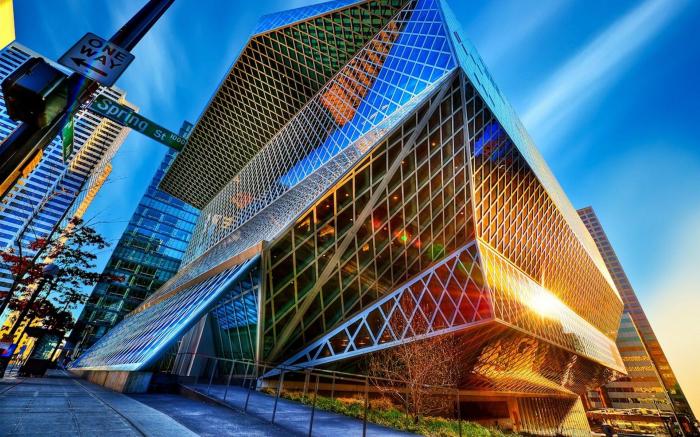
Modern architecture is characterized by several key features that set it apart from traditional styles. Some of the defining characteristics include:
Use of Industrial Materials
Modern architecture often incorporates industrial materials such as steel, concrete, and glass. This departure from traditional materials like wood and brick allows for sleek, minimalist designs that prioritize function and form.
Simplicity and Clean Lines
Modern architecture is known for its clean lines and simplicity. Buildings are often stripped down to their essential elements, creating a sense of openness and minimalism.
Open Floor Plans
Modern architecture frequently features open floor plans that prioritize natural light and a sense of spaciousness. This design approach blurs the boundaries between indoor and outdoor spaces.
Integration of Technology
Modern architectural structures often integrate technology seamlessly, with smart features and sustainable design elements. This emphasis on innovation and efficiency reflects the contemporary ethos of modern architecture.
Examples of Famous Modern Architectural Structures
- The Guggenheim Museum in Bilbao, Spain, designed by Frank Gehry
- The Sydney Opera House in Australia, designed by Jørn Utzon
- The Burj Khalifa in Dubai, UAE, designed by Adrian Smith
- The Pompidou Centre in Paris, France, designed by Renzo Piano and Richard Rogers
- The Fallingwater house in Pennsylvania, USA, designed by Frank Lloyd Wright
Influential Modern Architects
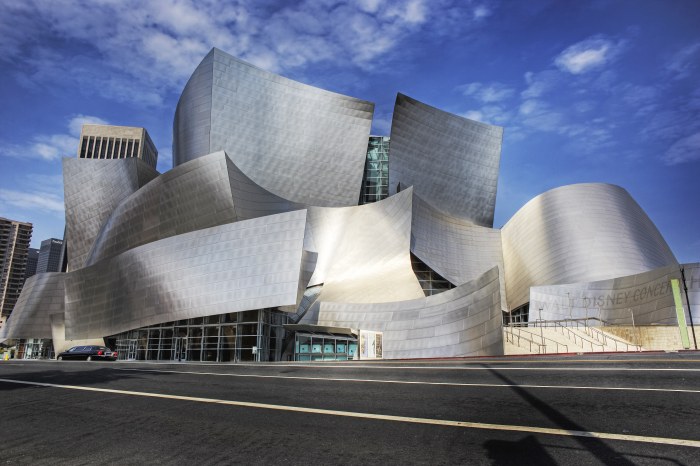
Modern architecture was greatly influenced by pioneering architects who revolutionized the field with their unique design philosophies and contributions. Let's explore some of the most influential modern architects and compare their styles.
Le Corbusier
Le Corbusier, a Swiss-French architect, was a key figure in the development of modern architecture. He believed in the concept of "a house is a machine for living in," focusing on functionality and efficiency. Le Corbusier's designs often featured geometric shapes, open floor plans, and the innovative use of materials like reinforced concrete.
Frank Lloyd Wright
Frank Lloyd Wright, an American architect, was known for his organic architecture approach, integrating buildings with their natural surroundings. He emphasized harmony between the built environment and nature, using horizontal lines, open spaces, and natural materials like wood and stone.
Wright's most famous work includes Fallingwater and the Guggenheim Museum.
Mies van der Rohe
Mies van der Rohe, a German-American architect, was a pioneer of modernist architecture known for his famous phrase "less is more." He focused on simplicity, clean lines, and the use of industrial materials like steel and glass. Mies van der Rohe's minimalist approach can be seen in iconic buildings such as the Seagram Building and Farnsworth House.
Materials and Technology in Modern Architecture

In modern architecture, the use of innovative materials and advanced technologies has revolutionized the way buildings are designed and constructed. These advancements have not only influenced the structural integrity of buildings but also greatly impacted their aesthetics.
Innovative Materials
One of the key aspects of modern architecture is the use of cutting-edge materials that were previously unheard of in traditional construction. Materials such as glass, steel, and reinforced concrete are commonly used to create sleek and minimalist designs.
- Glass: Advances in glass technology have allowed architects to create buildings with expansive glass facades, providing breathtaking views and flooding interiors with natural light.
- Steel: Steel is a versatile material that allows for the creation of large, open spaces without the need for bulky support columns. This has led to the development of skyscrapers and other iconic structures.
- Reinforced Concrete: Reinforced concrete combines the compressive strength of concrete with the tensile strength of steel, resulting in durable and flexible building materials that can be molded into various shapes.
Advancements in Technology
Technology has played a crucial role in modern architectural design, enabling architects to push the boundaries of what is possible in terms of construction and aesthetics.
- Computer-Aided Design (CAD): CAD software allows architects to create complex 3D models and simulations, helping them visualize their designs and identify any potential issues before construction begins.
- Building Information Modeling (BIM): BIM technology enables architects to create detailed digital representations of buildings, facilitating collaboration between different stakeholders and improving the efficiency of the construction process.
- 3D Printing: 3D printing technology has opened up new possibilities in architecture, allowing for the creation of intricate building components and structures that would be impossible to achieve using traditional methods.
Sustainable Practices
With growing concerns about environmental sustainability, modern architects are increasingly incorporating sustainable practices into their designs to reduce the environmental impact of buildings.
- Green Roofs: Green roofs, covered with vegetation, help to reduce heat absorption, improve air quality, and provide insulation, making buildings more energy-efficient.
- Solar Panels: Solar panels are commonly integrated into modern buildings to harness renewable energy sources and reduce reliance on nonrenewable energy.
- Recycled Materials: Using recycled materials in construction not only reduces waste but also lowers the carbon footprint of buildings, contributing to a more sustainable built environment.
Urban Planning and Modern Architecture
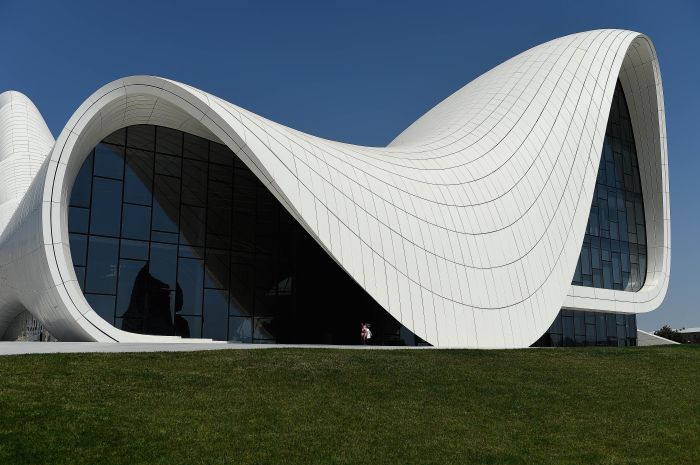
Urban planning plays a crucial role in shaping the development of cities and the integration of modern architecture within urban landscapes. Modern architects approach designing buildings within urban environments by considering not only the aesthetic aspects but also the functionality, sustainability, and social impact of their designs.
Let's delve deeper into the principles of integrating modern architectural structures into existing city environments.
Consideration of Surrounding Environment
Modern architects take into account the existing urban fabric, historical context, and surrounding buildings when designing new structures. By respecting the scale, materials, and architectural styles of the surrounding environment, they ensure that the new buildings harmonize with the existing cityscape.
Sustainable Urban Development
Urban planning in conjunction with modern architecture emphasizes sustainable practices such as green building design, energy efficiency, and the use of environmentally friendly materials. By incorporating green spaces, pedestrian-friendly areas, and efficient transportation systems, modern architects contribute to creating sustainable and livable urban environments.
Mixed-Use Development
Modern architects often advocate for mixed-use developments that combine residential, commercial, and recreational spaces within a single area. This approach promotes walkability, reduces the need for long commutes, and fosters a sense of community within urban neighborhoods.
Ultimate Conclusion
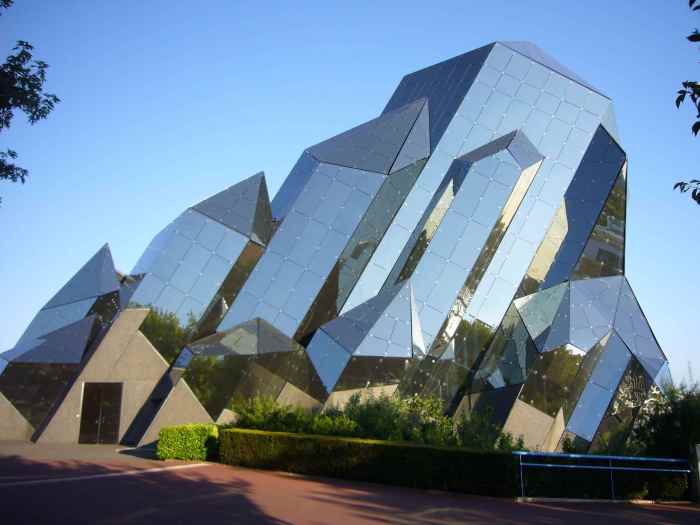
As we conclude this exploration of modern architecture, a tapestry of innovation and inspiration emerges. The fusion of form and function, tradition and innovation, continues to shape the architectural landscape, paving the way for a future where creativity knows no bounds.
Common Queries
What are the key features that define modern architecture?
Modern architecture is characterized by clean lines, open floor plans, industrial materials, and minimal ornamentation.
Who are some influential modern architects?
Architects like Le Corbusier, Frank Lloyd Wright, and Zaha Hadid have made significant contributions to modern architecture.
How does modern architecture integrate sustainable practices?
Modern architects incorporate sustainable materials, energy-efficient designs, and green technologies to promote environmental responsibility.